
Indian Wildlife and Safari Destinations (South to North):
- Key Species: Asiatic Elephant, Indian Leopard, Lion-tailed Macaque, Nilgiri Tahr, Gaur (Indian Bison), Dhole (Indian Wild Dog), Malabar Giant Squirrel, various bird species, and diverse reptiles and amphibians.
- Famous Wildlife Sanctuaries with Safaris:
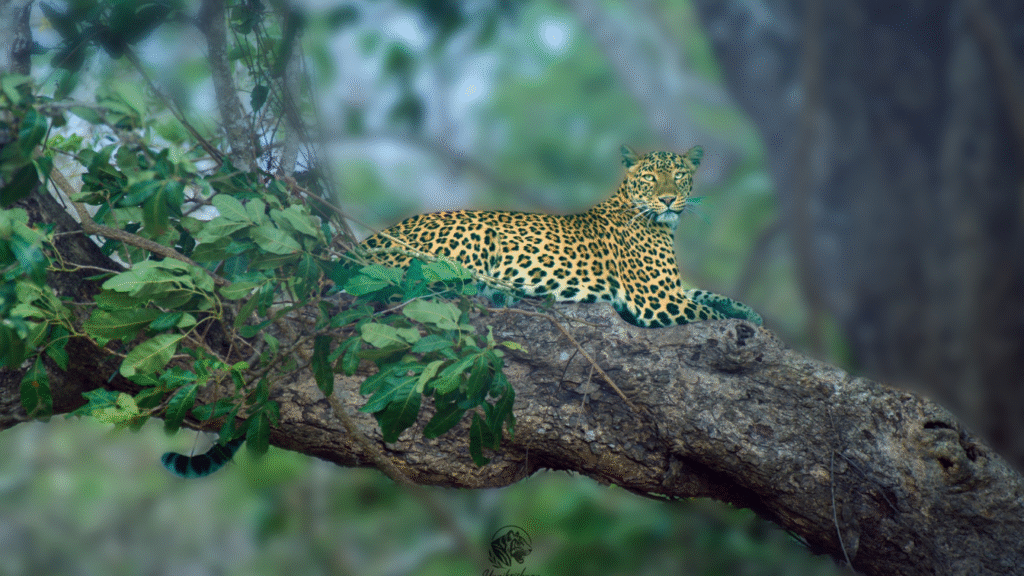
Kabini (Nagarhole National Park, Karnataka):
- Kabini is the most famous safari zone of Nagarhole Tiger Reserve, known for its leopard and black panther sightings, lush forest, and the scenic Kabini River backwaters.
- Tigers, Leopards, Black Panther (melanistic leopard – iconic but elusive),Elephants in large herds,Dhole (Indian wild dog), Gaur, Sambar, and a variety of birds,Marsh crocodiles and otters in the backwaters
- Safari Type: Jeep safaris and boat safaris on the Kabini backwaters.
- Best Time: October to May.
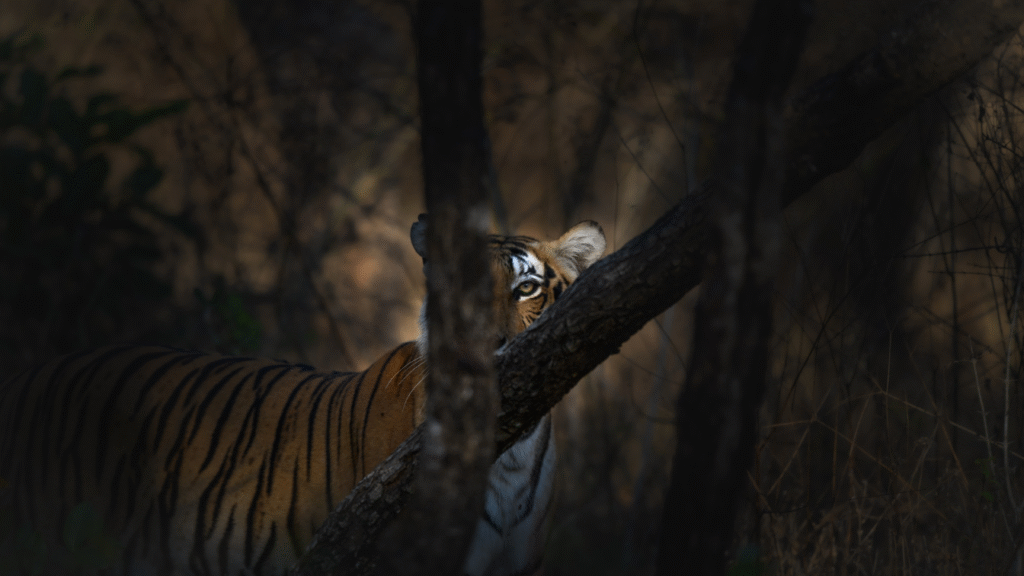
Bandipur National Park, Karnataka:
- Known for: Thriving populations of tigers, elephants, leopards, deer (chital, sambar), gaur, and over 200 bird species. Part of the Nilgiri Biosphere Reserve.
- Safari Type: Jeep safaris are the primary mode of exploration.
- Best Time: October to May.
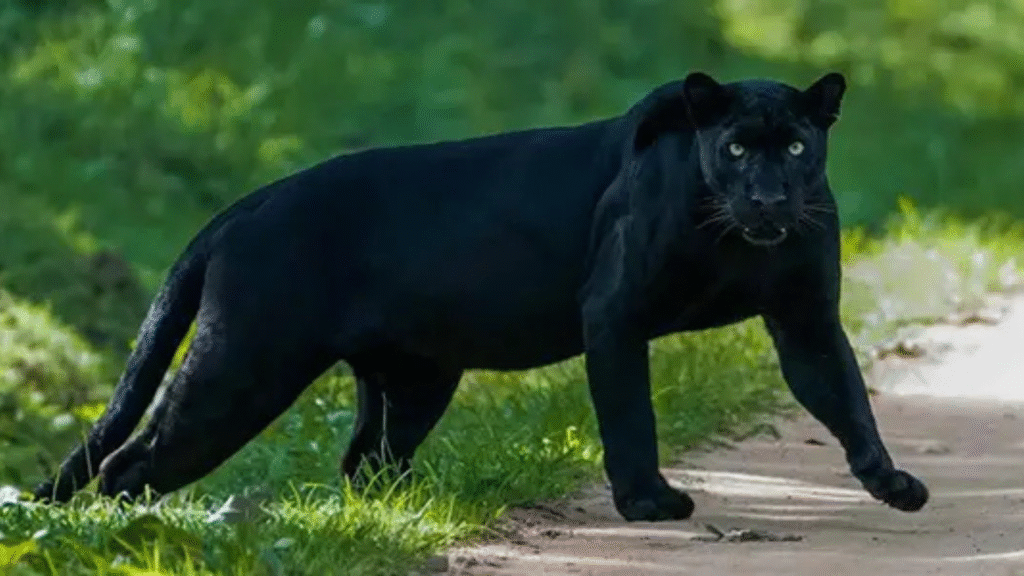
Nagarhole National Park (Rajiv Gandhi National Park), Karnataka:
- Known for: Tigers, leopards, elephants, dholes, and a wide variety of birds. The Kabini River flows through the park, attracting wildlife.
- Safari Type: Jeep safaris and boat safaris on the Kabini backwaters.
- Best Time: October to May.
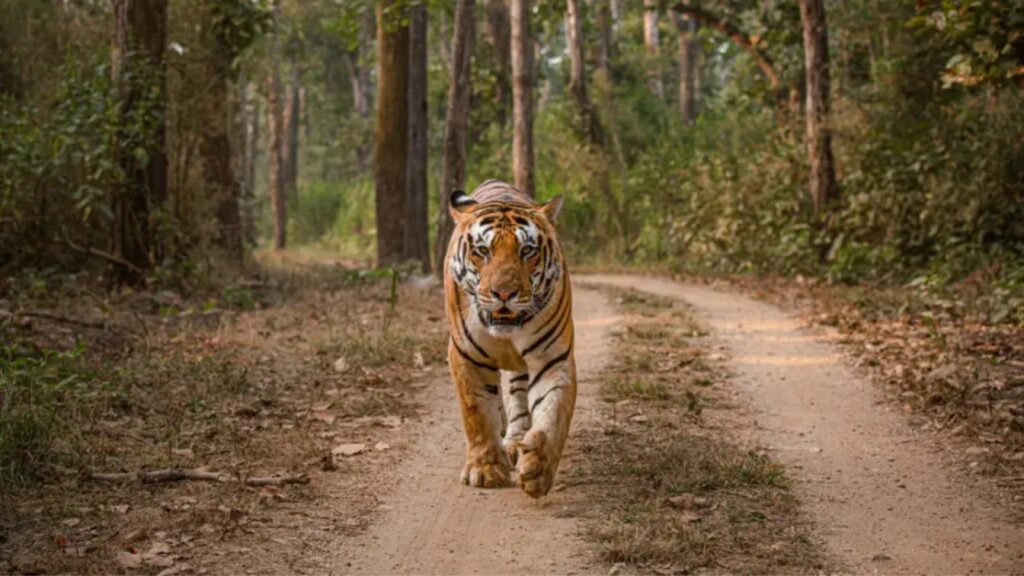
Mudumalai National Park, Tamil Nadu:
- Known for: Tigers, leopards, elephants, gaur, sloth bears, and diverse birdlife including endangered vultures.
- Safari Type: Jeep safaris.
- Best Time: October to May.
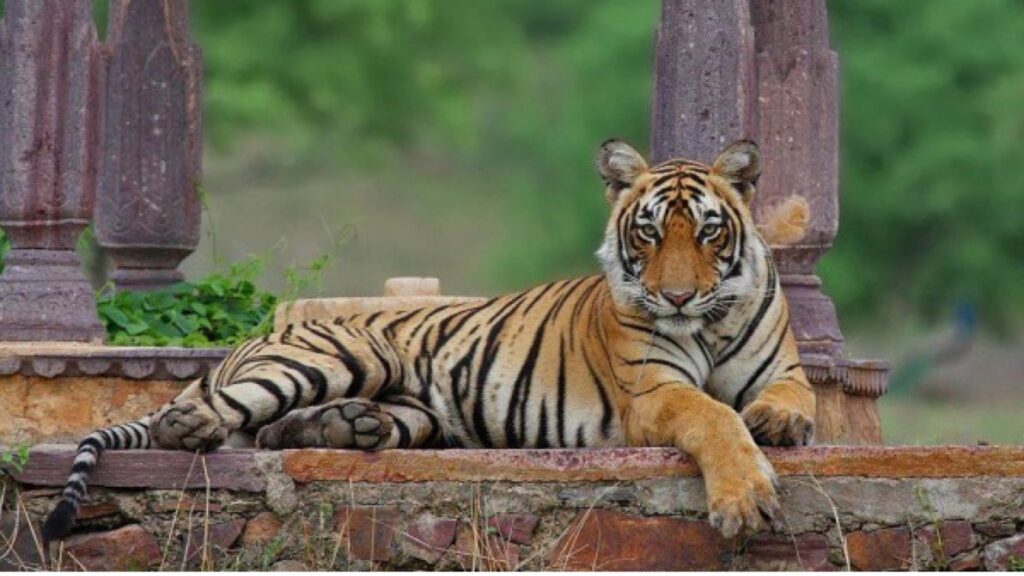
Bhadra Tiger Reserve, Karnataka:
- Known for: Lush evergreen forests and rich biodiversity. Excellent for tiger and leopard sightings, also home to elephants, gaur, sambar, and a wide variety of birds, including many endemic species of the Western Ghats. It's one of the few places to spot the Malabar Pied Hornbill.
- Safari Type: Jeep safaris, and some opportunities for boat safaris on the Bhadra Reservoir.
- Best Time: October to March.
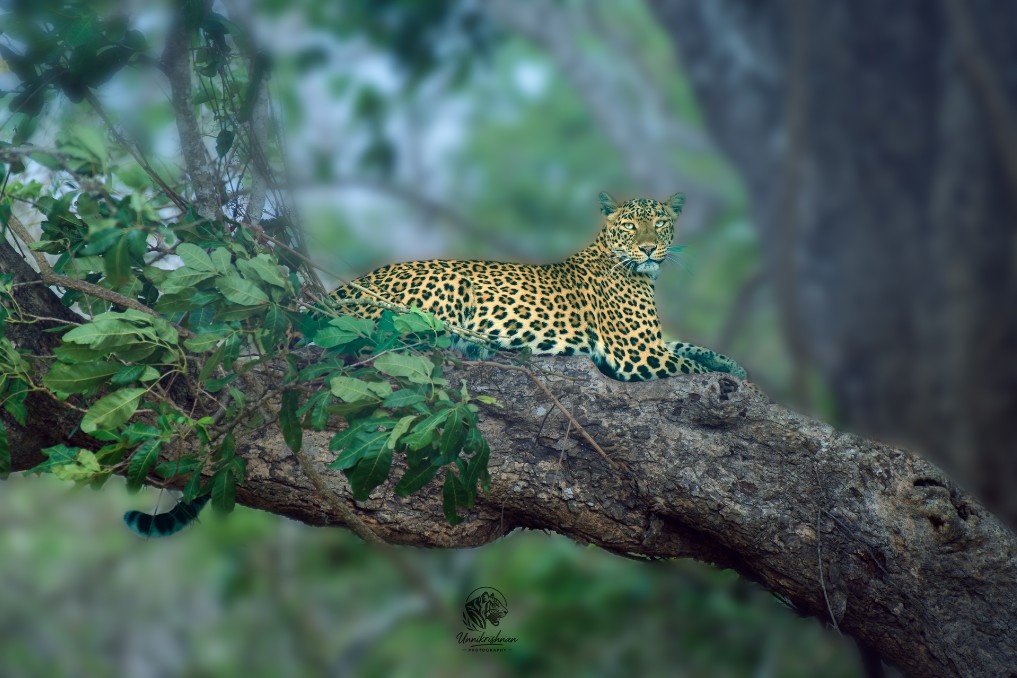
Kabini (Nagarhole National Park, Karnataka):
- Kabini is the most famous safari zone of Nagarhole Tiger Reserve, known for its leopard and black panther sightings, lush forest, and the scenic Kabini River backwaters.
- Tigers, Leopards, Black Panther (melanistic leopard – iconic but elusive),Elephants in large herds,Dhole (Indian wild dog), Gaur, Sambar, and a variety of birds,Marsh crocodiles and otters in the backwaters
- Safari Type: Jeep safaris and boat safaris on the Kabini backwaters.
- Best Time: October to May.
Central India:
- particularly Madhya Pradesh and Maharashtra, is renowned for its deciduous forests and significant tiger populations.
- Key Species: Royal Bengal Tiger, Indian Leopard, Indian Wild Dog (Dhole), Sloth Bear, Gaur, Sambar Deer, Chital (Spotted Deer), Barasingha (Swamp Deer), Four-horned Antelope, various bird species.
- Famous Wildlife Sanctuaries with Safaris:
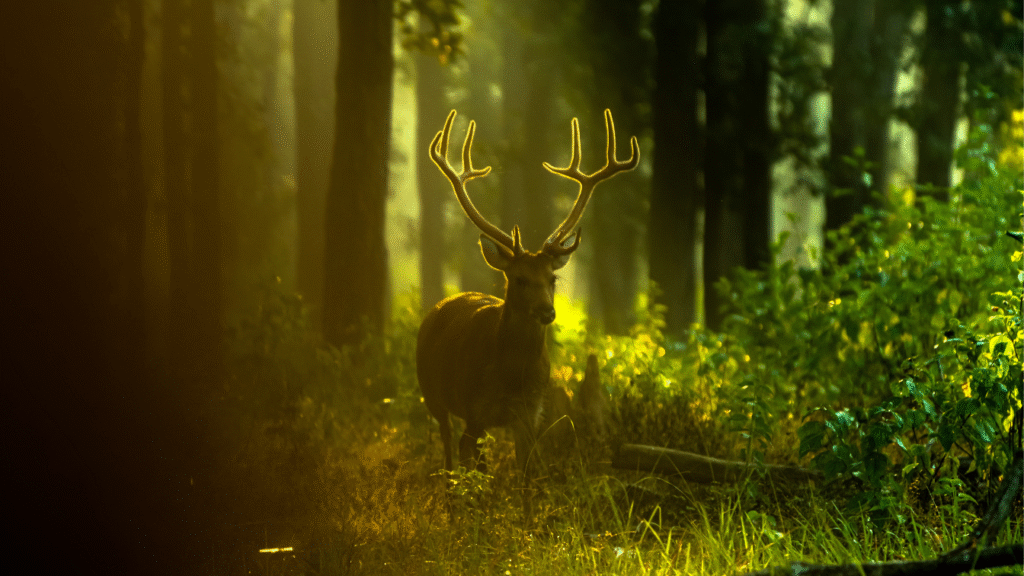
Kanha National Park, Madhya Pradesh:
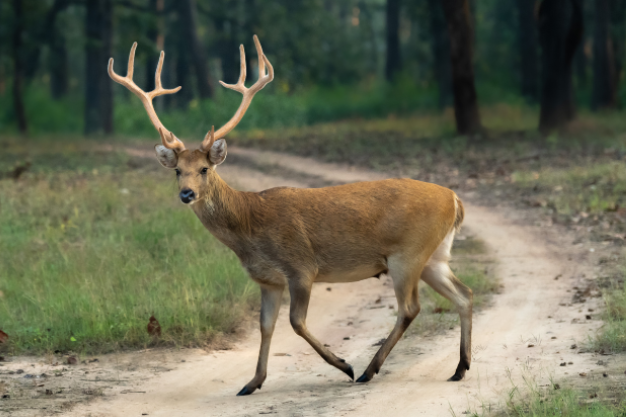
- Known for: One of India's finest tiger reserves, also famous for its successful conservation of the Barasingha (Hard Ground Swamp Deer). Leopards, wild dogs, and over 300 bird species are also found here. It's often associated with Rudyard Kipling's "The Jungle Book."
- Safari Type: Jeep safaris.
- Best Time: October to June (though hotter in summer, sightings are often better near waterholes).
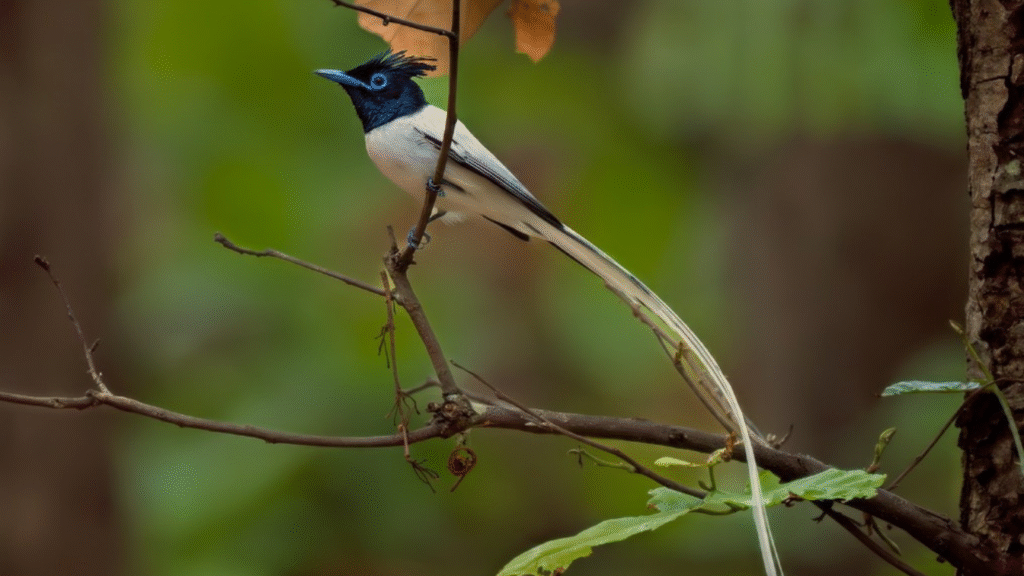
Bandhavgarh National Park, Madhya Pradesh:
- Known for: High tiger density, offering excellent tiger sighting opportunities. Also home to leopards, deer, and diverse birdlife. The ancient Bandhavgarh Fort adds historical charm.
- Safari Type: Jeep safaris.
- Best Time: October to June.

Pench National Park, Madhya Pradesh/Maharashtra:
- Known for: Tigers, leopards, wild dogs, sloth bears, gaur, and a rich birdlife. Another park often linked to "The Jungle Book."
- Safari Type: Jeep safaris.
- Best Time: October to June.
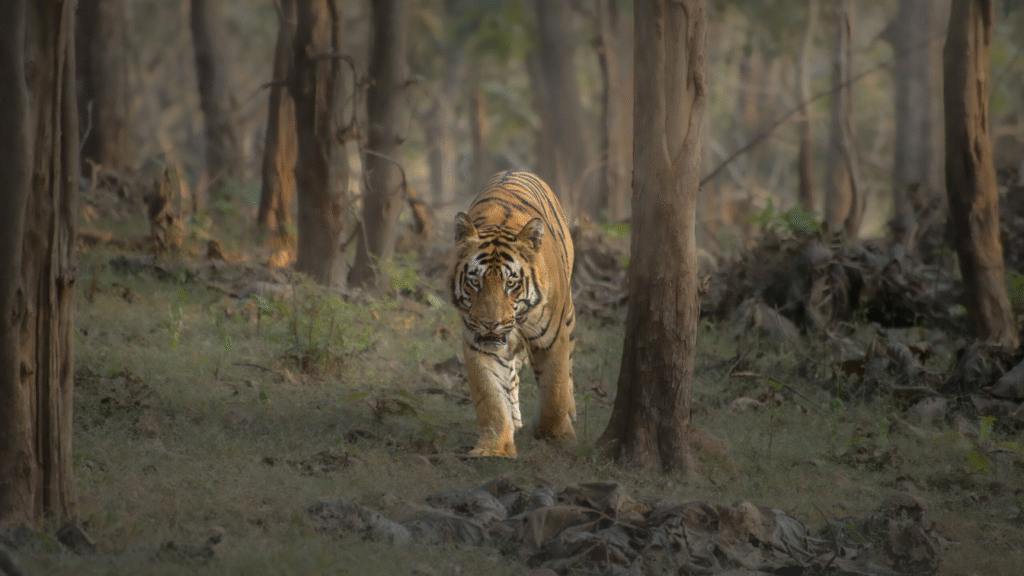
Tadoba Andhari Tiger Reserve, Maharashtra:
- Known for: One of the best places in India for tiger sightings, with a beautiful landscape of hills, lakes, and dry deciduous forests. Leopards, sloth bears, and wild dogs are also present.
- Safari Type: Jeep safaris.
- Best Time: October to June.
Satpura National Park, Madhya Pradesh:
- Known for: Unique for its diverse safari options beyond just jeep safaris. It offers walking safaris, boat safaris on the Denwa River, and elephant safaris (subject to availability). Known for leopards, sloth bears, Indian bison (gaur), and a wide variety of birds.
- Safari Type: Jeep safaris, walking safaris, boat safaris, canoe safaris, elephant safaris.
- Best Time: October to June.
Panna National Park, Madhya Pradesh:
- Known for: Tiger reintroduction program, significant vulture populations, and diverse wildlife including leopards, chital, sambar, and sloth bears.
- Safari Type: Jeep safaris, boat safaris on the Ken River.
- Best Time: October to June.
North India (including Northeast and Northwest):
- North India encompasses the majestic Himalayas, the vast Gangetic Plains, the Thar Desert, and the unique ecosystems of the Northeast, each with its distinct wildlife.
- Key Species: Royal Bengal Tiger, Snow Leopard, Asiatic Elephant, One-horned Rhinoceros, Himalayan Brown Bear, Asiatic Black Bear, Musk Deer, Hangul, Great Indian Bustard, Indian Wild Ass, various deer and antelope species, and a myriad of bird species (including migratory birds).
- Famous Wildlife Sanctuaries with Safaris:
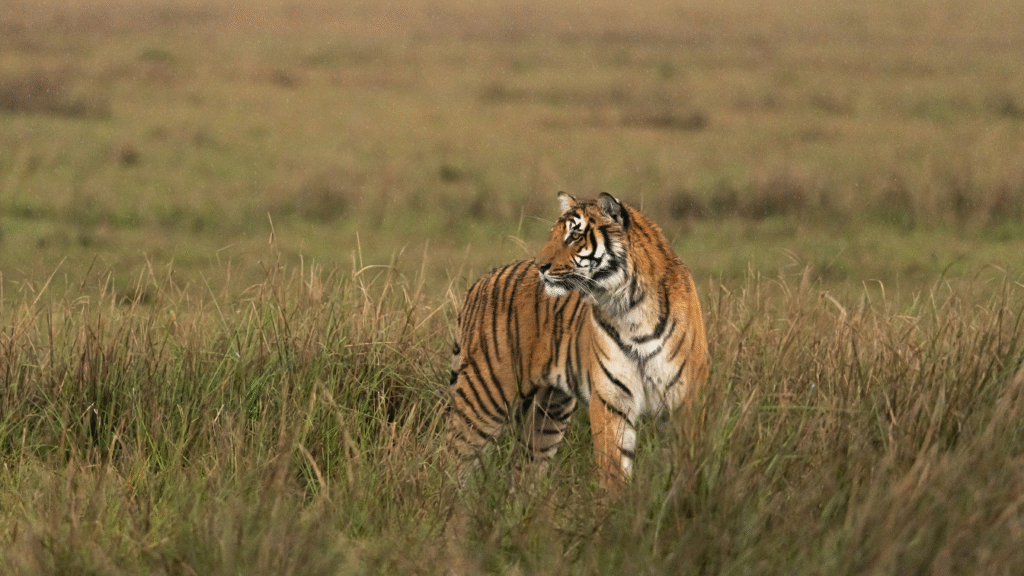
Jim Corbett National Park, Uttarakhand:
- Known for: India's oldest national park, famous for its Bengal tigers, elephants, leopards, and over 600 species of birds. The diverse sub-Himalayan ecology makes it an ornithologist's haven.
- Safari Type: Jeep safaris (Dhikala zone for diverse sightings), canter safaris.
- Best Time: Mid-October to Mid-June (winter months are pleasant, hotter in summer but better sightings near water).
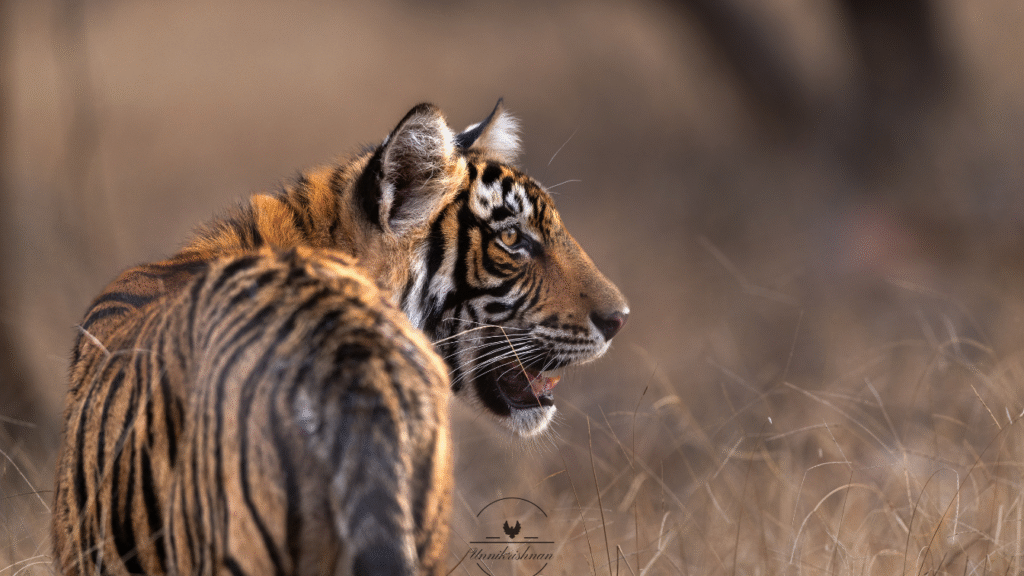
Ranthambore National Park, Rajasthan:
- Known for: One of the most popular tiger reserves in India, set against the backdrop of ancient ruins of Ranthambore Fort. Excellent tiger sightings, along with leopards, wild boars, sambar deer, and various birds.
- Safari Type: Jeep safaris, canter safaris.
- Best Time: October to June (winter is ideal for pleasant weather and good sightings).
Kaziranga National Park, Assam (Northeast India):
- Known for: UNESCO World Heritage Site, famous for its two-thirds of the world's Great One-Horned Rhinoceros population. Also has a high density of tigers, wild elephants, wild water buffalo, and a vast array of birdlife. It's a truly unique wetland ecosystem.
- Safari Type: Jeep safaris, elephant safaris.
- Best Time: November to April.
Keoladeo National Park (Bharatpur Bird Sanctuary), Rajasthan:
- Known for: A UNESCO World Heritage Site and a vital bird sanctuary, especially for migratory birds from Central Asia and Siberia.
- Safari Type: Cycle rickshaw, walking, boating.
- Best Time: October to March (peak season for migratory birds).
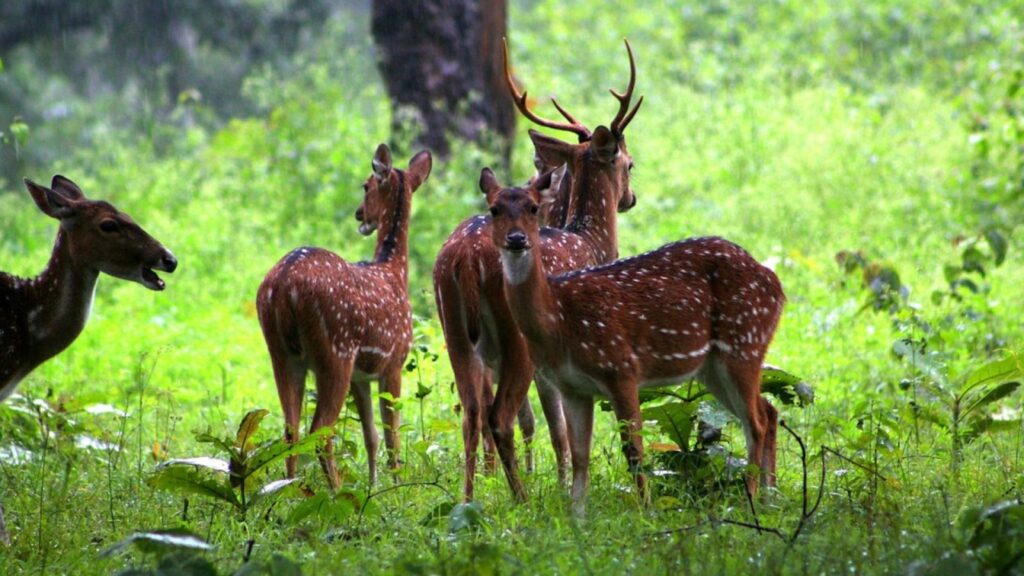
Kaziranga National Park, Assam (Northeast India):
- Known for: UNESCO World Heritage Site, famous for its two-thirds of the world's Great One-Horned Rhinoceros population. Also has a high density of tigers, wild elephants, wild water buffalo, and a vast array of birdlife. It's a truly unique wetland ecosystem.
- Safari Type: Jeep safaris, elephant safaris.
- Best Time: November to April.
Hemis National Park, Ladakh:
- Known for: The largest national park in India, located in the high-altitude trans-Himalayan region. Famous for the elusive Snow Leopard, Tibetan Argali, Bharal, and various Himalayan fauna.
- Safari Type: Primarily trekking and guided walks, as it's a high-altitude park. Snow leopard sightings require specialized expeditions.
- Best Time: May to October for general wildlife; winter (late October to March) for snow leopard sightings.
Dudhwa National Park, Uttar Pradesh:
- Known for: Unique blend of swamps, grasslands, and dense forests. Home to a large population of Swamp Deer (Barasingha), tigers, leopards, and rhinoceros (reintroduced).
- Safari Type: Jeep safaris.
- Best Time: November to May.
Keoladeo National Park (Bharatpur Bird Sanctuary), Rajasthan:
- Known for: A UNESCO World Heritage Site and a vital bird sanctuary, especially for migratory birds from Central Asia and Siberia.
- Safari Type: Cycle rickshaw, walking, boating.
- Best Time: October to March (peak season for migratory birds).
Dudhwa National Park, Uttar Pradesh:
- Known for: Unique blend of swamps, grasslands, and dense forests. Home to a large population of Swamp Deer (Barasingha), tigers, leopards, and rhinoceros (reintroduced).
- Safari Type: Jeep safaris.
- Best Time: November to May.
Keoladeo National Park (Bharatpur Bird Sanctuary), Rajasthan:
- Known for: A UNESCO World Heritage Site and a vital bird sanctuary, especially for migratory birds from Central Asia and Siberia.
- Safari Type: Cycle rickshaw, walking, boating.
- Best Time: October to March (peak season for migratory birds).
Jhalana Leopard Reserve, Rajasthan (Near Jaipur):
- Known for: An urban jungle and one of the best places in India for consistent leopard sightings. Its rocky terrain and good prey base make it a leopard hotspot. Also home to Nilgai, Spotted Deer, and Indian Civets.
- Safari Type: Jeep safaris.
- Best Time: October to May. Safaris often run year-round given the high success rate.
Pilibhit Tiger Reserve, Uttar Pradesh:
- Known for: Located in the Terai Arc Landscape, known for its healthy tiger population and diverse wetlands. It's also recognized for its large grassland areas and a significant population of the endangered Swamp Deer.
- Safari Type: Jeep safaris.
- Best Time: November to April.
Great Himalayan National Park, Himachal Pradesh:
- Known for: A UNESCO World Heritage Site, offering stunning alpine landscapes and diverse flora and fauna, including Himalayan Brown Bear, Snow Leopard, Musk Deer, and over 300 bird species.
- Safari Type: Primarily trekking and hiking; limited vehicular access.
- Best Time: May to October.
Pilibhit Tiger Reserve, Uttar Pradesh:
- Known for: Located in the Terai Arc Landscape, known for its healthy tiger population and diverse wetlands. It's also recognized for its large grassland areas and a significant population of the endangered Swamp Deer.
- Safari Type: Jeep safaris.
- Best Time: November to April.
Gir National Park – Gujarat
- The only place in the world to see wild Asiatic Lions, Gir is a conservation success story, offering a unique dry deciduous forest landscape
- Key Species: Asiatic Lion, Leopard (very high density!), Striped Hyena, Jungle Cat, Chinkara, Sambar, Nilgai, Four-horned Antelope. Birds: Paradise Flycatcher, Pygmy Woodpecker, Crested Serpent Eagle
- Safari Type - Jeep Safaris only.
- Best Time - December to April
Jawai Bera Leopard Sanctuary, Rajasthan:
- Known for: World-renowned for its high density of leopards coexisting with local human populations (Rabari herdsmen). The granite hills provide natural dens for the leopards. Other wildlife includes Indian Wolf, Sloth Bear, Hyena, and a wide array of migratory birds around the Jawai Dam.
- Safari Type: Custom-designed open jeep safaris with local guides.
- Best Time: October to April. Leopard sightings are excellent throughout the year.
Jhalana Leopard Reserve, Rajasthan (Near Jaipur):
- Known for: An urban jungle and one of the best places in India for consistent leopard sightings. Its rocky terrain and good prey base make it a leopard hotspot. Also home to Nilgai, Spotted Deer, and Indian Civets.
- Safari Type: Jeep safaris.
- Best Time: October to May. Safaris often run year-round given the high success rate.
Jawai Bera Leopard Sanctuary, Rajasthan:
- Known for: World-renowned for its high density of leopards coexisting with local human populations (Rabari herdsmen). The granite hills provide natural dens for the leopards. Other wildlife includes Indian Wolf, Sloth Bear, Hyena, and a wide array of migratory birds around the Jawai Dam.
- Safari Type: Custom-designed open jeep safaris with local guides.
- Best Time: October to April. Leopard sightings are excellent throughout the year.
Gir National Park – Gujarat
- The only place in the world to see wild Asiatic Lions, Gir is a conservation success story, offering a unique dry deciduous forest landscape
- Key Species: Asiatic Lion, Leopard (very high density!), Striped Hyena, Jungle Cat, Chinkara, Sambar, Nilgai, Four-horned Antelope. Birds: Paradise Flycatcher, Pygmy Woodpecker, Crested Serpent Eagle
- Safari Type - Jeep Safaris only.
- Best Time - December to April
The Ultimate Wildlife Photography Tour in India
Where Tigers Roam, Lions Rule, and Elephants Lead the Way...
India is not just a destination — it’s a living, breathing wildlife epic.
As one of the world’s 17 megadiverse countries, India is home to over 500 species of mammals, 1,300+ bird species, 400+ reptiles and amphibians, and a staggering range of iconic and endangered species found nowhere else on Earth.
Why Choose India for Wildlife Photography?
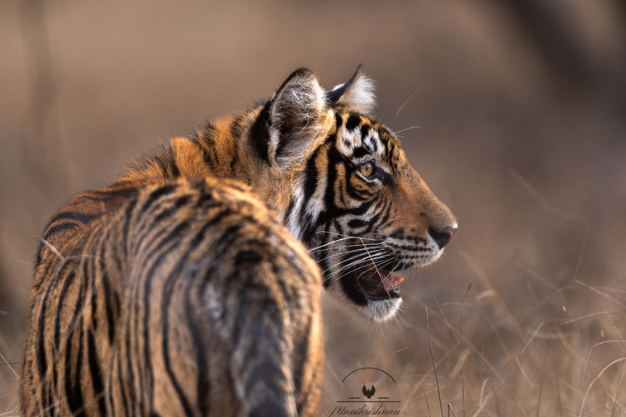
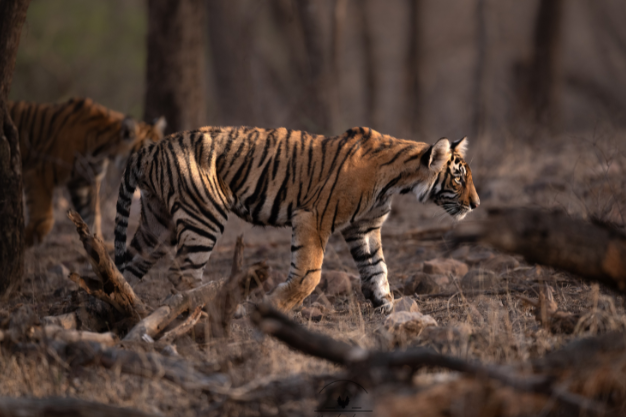
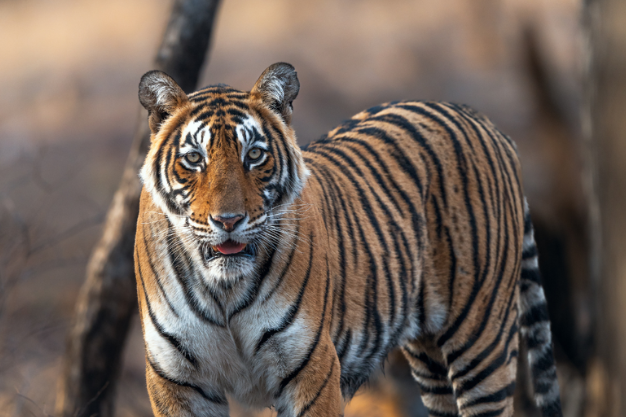
- The Last Kingdom of the Royal Bengal Tiger – India holds over 70% of the world’s wild tiger population, making it the best place on Earth to photograph them.
- The Only Home of the Asiatic Lion – Now found only in Gir Forest, Gujarat – a rare and regal sight exclusive to India.
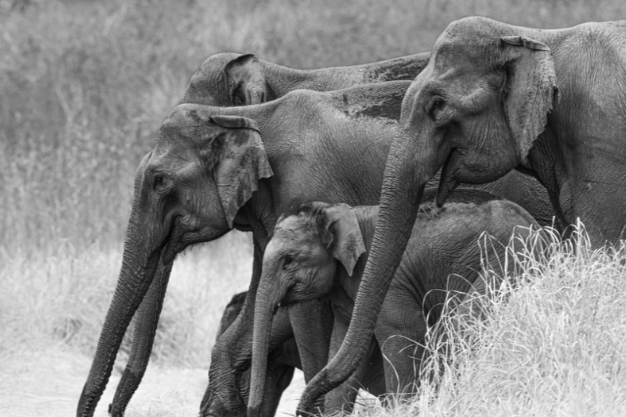
- Asian Elephants, Indian Rhinos & Sloth Bears – Capture the gentle giants, prehistoric-looking one-horned rhinos, and elusive bears in lush habitats.
- Leopards, Snow Leopards & Black Panthers – India hosts an array of big cats, from the ghostly Snow Leopard of the Himalayas to the rare Black Panther of southern forests.
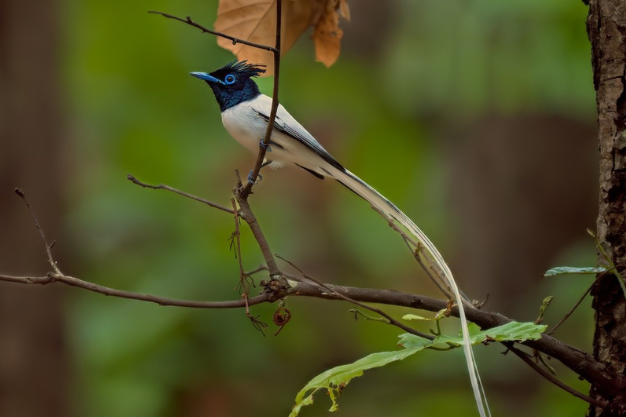
- A Birdwatcher’s Paradise – With more bird species than all of Europe, India’s wetlands, mangroves, and highlands are alive with color and song.
- From Rainforests to Deserts, Himalayas to Coastlines – Explore vastly contrasting ecosystems, each supporting its own rare and vibrant wildlife.